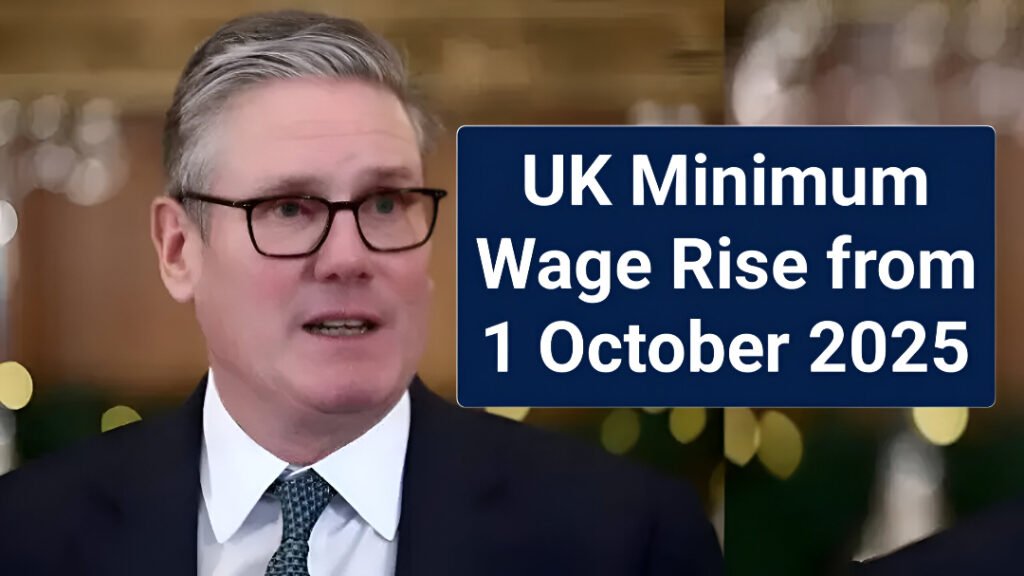
Hello Everyone, From 1 October 2025, the UK Government is set to introduce a new rise in the National Minimum Wage and National Living Wage. This update will directly impact millions of workers, from young part-time employees to full-time adult workers across industries. The rise is part of the government’s long-term strategy to tackle inflation, improve living standards, and make work pay better. For businesses, it means preparing for higher wage costs, while for workers, it offers increased income security in a time of rising living expenses.
What is Changing in October 2025?
The October 2025 wage reform means that all minimum wage brackets in the UK will see an upward revision. The government’s aim is to ensure wages remain aligned with the cost of living while protecting younger workers and apprentices with fair pay. Employers will be required to adjust their payroll systems in line with the new rules, otherwise they risk penalties and legal consequences. For workers, this wage rise means more take-home pay, which can provide better financial stability amid increasing bills and housing costs.
Updated Minimum Wage Rates by Age
The wage increase affects different age groups differently, reflecting responsibilities and expected levels of skill. Workers aged 23 and above continue to qualify for the National Living Wage, which is the highest category. Younger workers in the 21–22 and 18–20 groups will also see a boost, reducing the gap between them and older employees. Apprentices will benefit from a higher training wage, which is crucial for encouraging vocational learning and skill development. These structured wage levels ensure that both fairness and productivity are balanced across the workforce.
Updated Rates from 1 October 2025
-
Ages 23 and over (National Living Wage): £12.15 per hour
-
Ages 21–22: £11.25 per hour
-
Ages 18–20: £8.90 per hour
-
Ages 16–17: £6.80 per hour
-
Apprentices: £6.50 per hour
Impact on Workers
For employees across the UK, this wage increase brings a welcome change. Many workers, particularly those in hospitality, retail, and care sectors, rely on minimum pay to support their households. With the updated rates, workers aged 23 and over will enjoy more than £1,000 of additional annual income if working full-time. Younger workers will also benefit, narrowing the income gap between different age groups. This policy ensures a fairer labour market and helps younger people build stronger financial foundations.
In real terms, higher wages mean more disposable income, which can be used for essentials like food, rent, and transport. It also means that workers will be better positioned to save or invest in personal development. However, the benefits vary depending on location, as living costs in London and the South East are significantly higher than other regions. While the wage rise is a positive step, many argue that further increases are necessary to match the “real living wage” benchmark promoted by independent organisations.
Impact on Employers
For employers, the new wage rules present both opportunities and challenges. Businesses must budget for higher payroll expenses, particularly in industries with large numbers of minimum wage workers. Sectors such as retail, hospitality, and social care are likely to experience the biggest impact, as wage bills will rise considerably. However, paying fairer wages can reduce staff turnover, improve motivation, and boost productivity in the long term.
Some small and medium enterprises (SMEs) may struggle with the sudden rise, as margins are already tight due to energy costs and supply chain pressures. To remain compliant, employers should review contracts, update HR policies, and prepare payroll systems before October 2025. Employers who fail to meet the legal requirements risk fines, public naming, and reputational damage. With careful planning, businesses can turn this challenge into an opportunity to build stronger employer-employee trust.
Who is Eligible?
Eligibility for the minimum wage depends on age, job type, and employment status. All employees working in the UK are covered under the law, including part-time, casual, and agency workers. Apprentices also qualify, provided they are either under 19 or in their first year of training. Self-employed individuals, however, are not entitled to the minimum wage as they control their own earnings.
Certain exceptions apply, such as volunteers, prisoners working while serving sentences, or company directors without contracts. Overseas workers legally employed in the UK are also eligible for the minimum wage, ensuring equality across the workforce. The system is designed to be fair and transparent, making sure that no one employed under a legal contract is left behind. This balance ensures that every working individual is compensated appropriately for their time and effort.
Sector-wise Impact
The October 2025 wage rise will have varied effects depending on the industry. Labour-heavy sectors with low margins will feel the most immediate pressure, while industries with higher pay standards may see little direct change. Hospitality, retail, and social care, which employ large numbers of minimum wage workers, will face the biggest wage bill adjustments. These industries may need to adjust pricing, restructure roles, or cut non-essential costs to balance expenses.
On the other hand, sectors such as technology, finance, and healthcare already pay higher-than-minimum wages, so the direct impact may be smaller. However, these industries may still feel indirect pressure, as wage expectations rise across the job market. For employees, the reforms ensure better job satisfaction and improved living conditions, while employers must adapt quickly to remain competitive and compliant in the evolving economic landscape.
Challenges Ahead
While the new minimum wage rates represent progress, challenges remain. The cost of living crisis in the UK is still ongoing, with housing, food, and energy prices at record highs. For many families, even the updated wage may not fully cover basic needs. Businesses also fear that the increased wage bill could force them to reduce staff hours or rely more on automation to cut costs.
Another challenge is enforcement. Although most employers comply with wage laws, some attempt to exploit loopholes or underpay staff. The government has promised stronger monitoring and harsher penalties, but effective enforcement requires resources. Ultimately, the success of the October 2025 wage rise will depend on balancing worker welfare with employer sustainability.
UK Driving Licence BAN for Over 70s – DVLA’s 2025 Rule Change Explained!
Preparing for the Change
As the implementation date approaches, workers and employers alike should take steps to prepare. Employees should check their contracts and payslips to ensure they are being paid the correct rate from 1 October. They can also seek advice from unions or government services if they suspect underpayment. For workers, this is also a good time to review budgeting and financial planning, as extra income could be used for savings or debt repayment.
Employers should carry out internal audits to make sure their payroll systems are ready for the changes. Updating staff handbooks, communicating with employees about new pay rates, and setting aside funds for the increased wage bill are essential tasks. By preparing early, businesses can avoid compliance issues and foster trust with their workforce. Both parties stand to benefit if the transition is handled smoothly and transparently.
FAQs on UK Minimum Wage Rise 2025
Q1. What is the new National Living Wage from 1 October 2025?
The National Living Wage for workers aged 23 and above will increase to £12.15 per hour.
Q2. Are apprentices included in the October 2025 wage rise?
Yes, apprentices will see their minimum hourly wage rise to £6.50, provided they are under 19 or in the first year of training.
Q3. How much more will a full-time worker earn annually?
A worker aged 23 and above, working 37.5 hours per week, could earn around £1,000 extra per year compared to the previous rates.
Q4. Will self-employed people benefit from this wage rise?
No, self-employed individuals set their own earnings and are not covered by the National Minimum Wage laws.
Q5. What happens if an employer fails to pay the new rates?
Employers who underpay staff face fines, back-pay orders, and possible public naming by the government.
Final Thoughts
The UK minimum wage rise from 1 October 2025 is a major step towards fairer pay and improved living standards. Workers across the country will gain extra income to help manage rising living costs, while businesses face the challenge of adjusting payroll budgets. For employees, it represents a boost to financial security; for employers, an opportunity to strengthen workforce morale. Ultimately, the success of this policy will depend on how effectively it is implemented and whether it keeps pace with the ongoing cost of living crisis in the UK.